
What is Apitherapy?
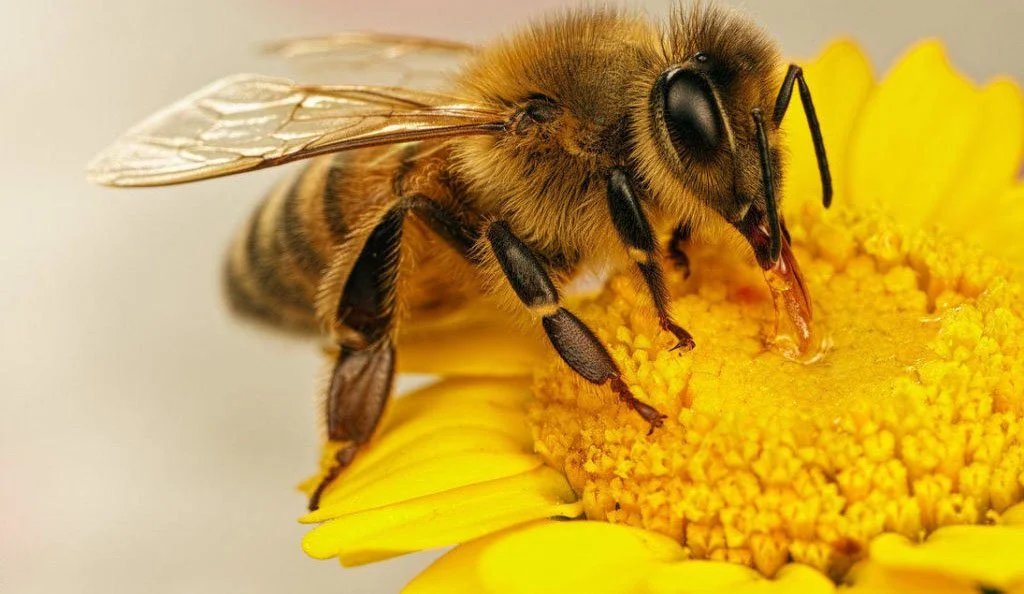
In Hoshindo all medicines of the Honey Bee are used, which include venom, organic propolis, organic fresh royal jelly, raw organic honey, and pollen.
Japanese meridian apitherapy, or bee venom therapy, first emerged in China 5,000 years ago. During the Tang and Sung Dynasties there was a cultural, historical exchange between China and Japan. The Japanese practiced bee venom therapy and by the 20th century developed this into a painless meridian apitherapy which they called Hoshindo.
Every HoShin practitioner must maintain an apiary. The HoShin Ryoho is versed in every aspect of the bees, becoming keeper and guardian of the honey bees.
What to Expect
Hoshindo is a gentle practice in which the Practitioner begins by tapping softly with the stinger of the bee along points and meridians. The Hoshindo practitioner provides the Patient with a pleasant apitherapy experience, in a calm, healing atmosphere.
Consultation
The Practitioner begins with an Akashi for each patient. This health history and assessment, along with the pulse reading, guide the treatment plan. For the initial treatment a sensitivity test to the venom is conducted at this time.
Treatment
Honey bee venom is perceived as a foreign protein in the body, alerting the immune system to target a specific area. The practitioner uses different delivery methods to administer the bee venom. Using the symptoms and reading of the pulses, the practitioner treats certain Meridians and Points (Tsubos) using a tapping method, setting the stinger, or full bee sting when indicated. These gentle methods are selected based on the needs of each patient.
Supportive Therapies
Supplemental, supportive treatment with bee products may be offered, along with the following integrative therapies provided by the practitioners:
∞ Essential oils and herbs
∞ Rife machine provided by Gillian
∞ Hirudotherapy (leech therapy) provided by Joyce
∞ Kambo Therapy (frog venom therapy) provided by Joyce